








The niqab ban Italy has been announced by Giorgia Meloni, aiming to reshape the country’s educational landscape. This controversial decision also includes a cap on foreign students in Italian schools.
Overview of the Niqab Ban
The recent announcement by Italian Prime Minister Giorgia Meloni regarding the niqab ban has sparked significant discussion across the nation. This policy aims to address concerns related to social integration and cultural identity within Italy. Meloni’s government emphasizes that the ban is not merely a matter of clothing, but rather a step towards fostering a cohesive society.
Key points surrounding the niqab ban include:
- The prohibition of wearing the niqab in public spaces, reaffirming Italy’s commitment to secular values.
- A focus on enhancing the visibility and integration of individuals within the community, particularly for women.
- Accompanying measures, such as a cap on foreign students in Italian schools, aimed at balancing educational resources.
This bold move is seen by some as a necessary measure for promoting unity, while critics argue it infringes on personal freedoms. The debate surrounding the niqab ban in Italy continues to evolve, reflecting broader concerns about immigration and cultural assimilation.
Impact on Foreign Students
The recent niqab ban in Italy has sparked significant discussion regarding its impact on foreign students, particularly those from Muslim-majority countries. Many educators and cultural advocates are concerned that this legislation may deter potential students from applying to Italian institutions.
Italy has long been a popular destination for international students due to its rich history and diverse educational offerings. However, the niqab ban could lead to a decrease in enrollment from those who feel that their cultural identity is not respected.
Some key points regarding the impact on foreign students include:
- Increased Scrutiny: Foreign students may face greater scrutiny upon arrival, affecting their sense of belonging.
- Potential Decline in Enrollment: The ban may lead to a decline in applications from Muslim students.
- Shift in Cultural Dynamics: Cultural exchange programs may be hindered, limiting exposure to diverse perspectives.
As Italy navigates this controversial policy, its implications for foreign students remain a critical concern for educators and policymakers alike.
Meloni’s Educational Reforms
In a significant shift in policy, Italian Prime Minister Giorgia Meloni is implementing educational reforms that coincide with the niqab ban Italy has recently adopted. These reforms aim to create a more inclusive environment within schools while addressing cultural differences.
Meloni has emphasized the importance of integration and communication in educational settings, stating that understanding and mutual respect are crucial for fostering a cohesive society. The reforms include:
- Language Courses: Enhanced language programs for foreign students to improve their proficiency in Italian.
- Cultural Exchange Initiatives: Programs designed to promote interaction between local and foreign students.
- Support Services: Increased access to counseling and mentoring for students from diverse backgrounds.
These initiatives are expected to benefit not only the students but also the wider community, encouraging harmony amid the niqab ban Italy is enacting. Meloni believes that education can bridge cultural gaps and foster understanding among future generations.
Public Response to the Ban
The recent niqab ban in Italy has sparked a significant public response, with opinions divided across various segments of society. Supporters of the ban argue that it promotes integration and aligns with Italian cultural values. They view the niqab as a symbol of oppression rather than a form of personal expression. Many believe that Giorgia Meloni’s bold move is a step toward ensuring that public spaces remain accessible and identifiable to all, thereby fostering a sense of unity.
However, critics of the niqab ban express concerns about religious freedom and the potential stigmatization of Muslim women. They argue that such measures could lead to increased discrimination and social division. Prominent human rights advocates have already voiced their opposition, emphasizing that the ban could infringe on individual rights.
As the debate continues, public demonstrations have emerged on both sides, with some calling for the reversal of the niqab ban while others applaud the government’s stance. It remains to be seen how this policy will affect Italy’s multicultural landscape in the long term.
Comparative Analysis with Other Countries
The recent niqab ban in Italy has sparked discussions about similar regulations in other countries. Various nations have adopted different approaches to face-covering garments, reflecting their unique cultural and political landscapes.
- France: A comprehensive ban on the burqa and niqab was enacted in 2010, citing the need for secularism and public safety. This move has had a profound impact on Muslim women, leading to debates about freedom of expression.
- Belgium: In 2011, Belgium followed suit with legislation prohibiting the wearing of burqas and niqabs in public spaces, emphasizing integration and social cohesion.
- Netherlands: The Netherlands introduced a partial ban in 2019, targeting face-covering clothing in specific public areas such as schools and public transportation.
- Germany: While no outright ban exists, individual states have implemented restrictions on face coverings in schools and government buildings, focusing on security and communication needs.
Italy’s niqab ban aligns with these international trends, as Prime Minister Giorgia Meloni aims to promote integration and uphold Italian values.
Future of Italian Education Policy
The recent niqab ban in Italy has sparked discussions about the future of Italian education policy, particularly concerning the integration of foreign students. As Prime Minister Giorgia Meloni emphasizes the importance of cultural assimilation, educational institutions are expected to adapt to these new regulations.
One of the primary goals of the ban is to promote an inclusive environment within schools. Meloni’s administration believes that educational settings should reflect Italian values and traditions, which has raised questions about how foreign students will be affected. The proposed cap on foreign student enrollment further complicates this issue, as schools may struggle to balance the need for diversity with the government’s cultural agenda.
In light of these changes, educators are called to reassess their curricula and teaching methods. They must find ways to foster a sense of belonging for all students while adhering to the niqab ban and other policies set forth by the Meloni government.
- Impact on multicultural education
- Challenges for teachers in diverse classrooms
- Potential for social division among students
The recent niqab ban Italy has sparked widespread debate across the nation. Supporters argue that the niqab ban Italy promotes integration and security, while opponents see it as an infringement on personal freedoms.
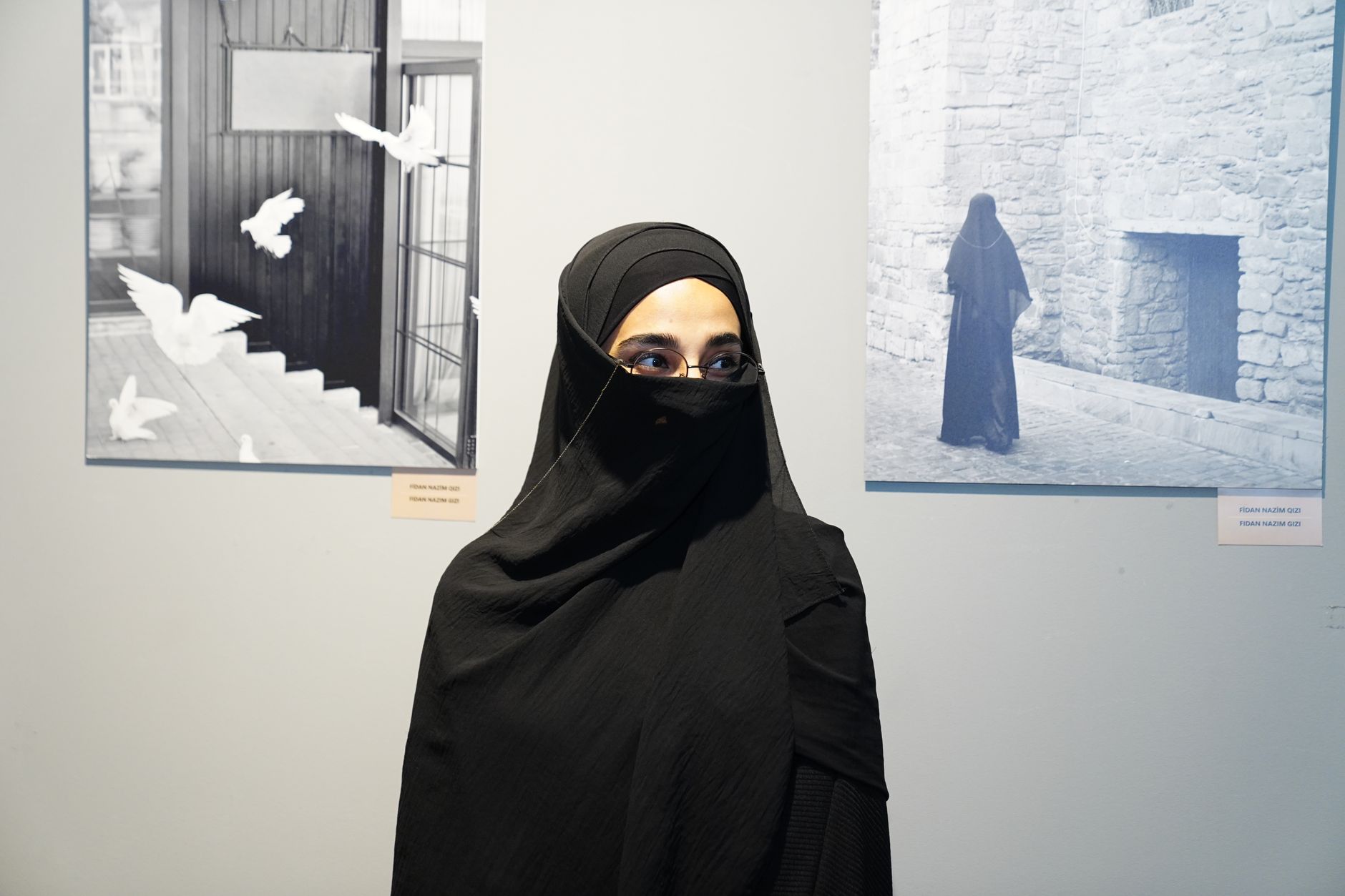
Photo by Tahir Xəlfəquliyev on Pexels