









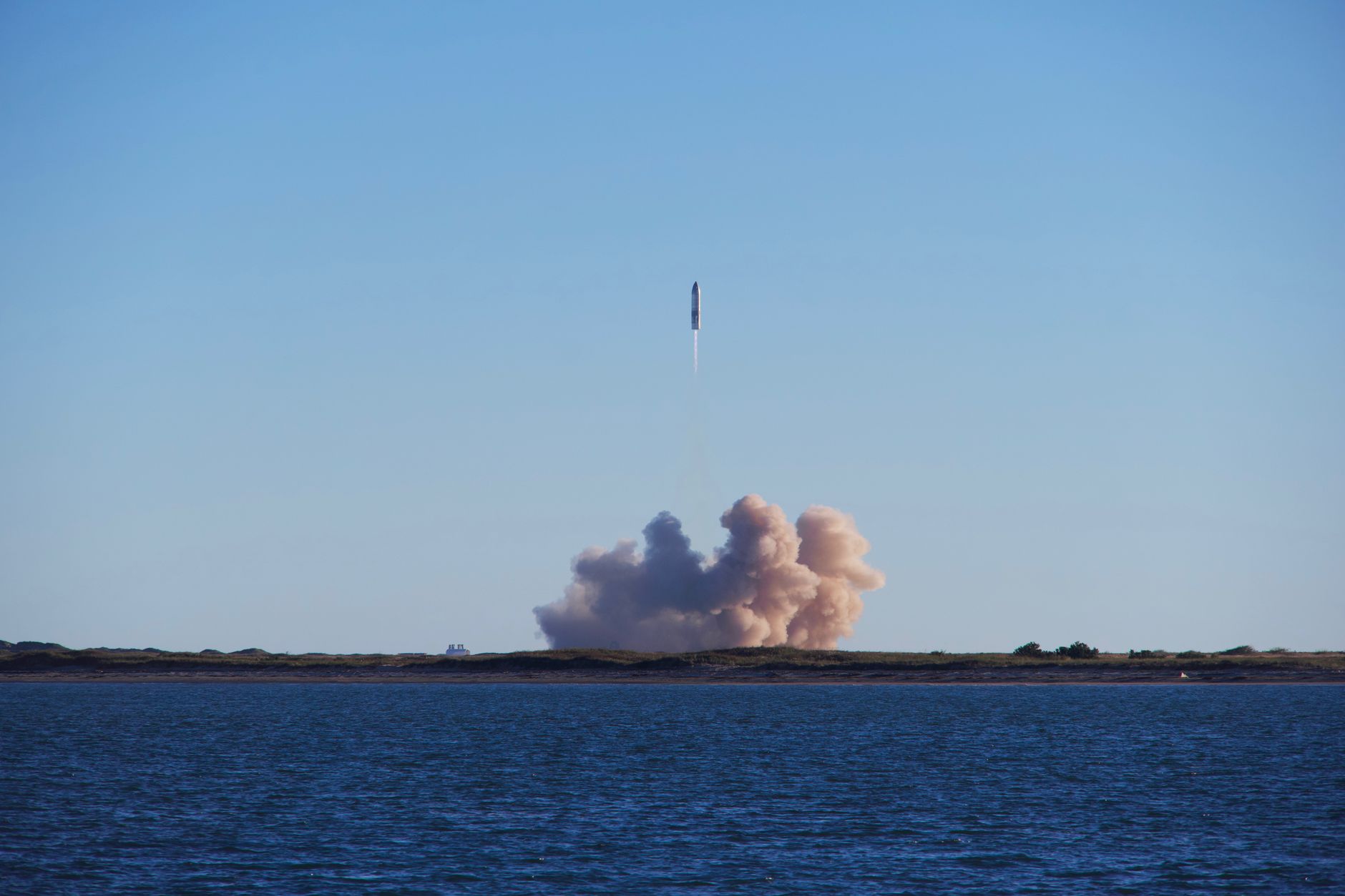
JAXA H3 Rocket launch is an exciting event that marks a significant step in space exploration, specifically targeting the Martian moon Phobos. This mission, set for 2026, aims to gather crucial data and samples.
Overview of the JAXA H3 Rocket
The JAXA H3 rocket is poised to make significant strides in space exploration, particularly with its upcoming mission to Phobos, one of Mars’ moons. This advanced launch vehicle is designed to enhance Japan’s capability for deep-space missions, featuring a robust structure and innovative technology that ensure reliable delivery of payloads into orbit.
One of the standout features of the JAXA H3 rocket is its modular design, which allows for flexibility in payload capacity. This adaptability makes it suitable for a range of missions, from satellite deployments to complex interplanetary expeditions.
As JAXA prepares for the launch of the Martian Moons Exploration (MMX) mission in 2026, the H3 rocket is expected to play a crucial role in transporting instruments and equipment necessary for studying Phobos. This mission aims to gather samples and conduct extensive research on the moon’s surface, providing insights into its composition and origin.
JAXA’s commitment to advancing space exploration through the H3 rocket exemplifies the agency’s vision for future missions. With its powerful capabilities, the JAXA H3 rocket launch represents a pivotal moment in our quest to unlock the mysteries of Phobos and beyond.
What to Expect from the MMX Mission
The MMX (Martian Moons Exploration) mission represents a significant milestone for interplanetary exploration. Set to be launched by the JAXA H3 Rocket, this ambitious project aims to explore Phobos, one of Mars’ two moons, and gather samples for return to Earth.
Here are some key aspects to expect from the MMX mission:
- Sample Collection: The mission aims to collect approximately 10 grams of soil and rock samples from Phobos, providing crucial insights into the moon’s composition and history.
- Advanced Technology: Equipped with cutting-edge instruments, the spacecraft will analyze the surface materials and gather data on Phobos’ atmosphere and gravitational field.
- Collaboration: The MMX mission will involve international collaboration, with contributions from various space agencies and scientific institutions worldwide.
- Return Journey: Following its exploration, the spacecraft will return the collected samples to Earth, marking a first for Martian moon exploration.
The JAXA H3 Rocket launch is anticipated to take place in 2026, and it promises to unlock the mysteries of Phobos, potentially shedding light on the origins of the Martian moons and their significance in the solar system.
JAXA H3 Rocket launch Timeline
The timeline for the JAXA H3 Rocket launch is crucial as the mission progresses toward its goal of exploring Phobos. The JAXA H3 Rocket is scheduled for lift-off in 2026, marking a significant milestone in space exploration.
The following key dates outline the planned schedule:
- 2024 – Final testing of the H3 Rocket systems will be conducted to ensure reliability and performance.
- 2025 – Assembly of the MMX spacecraft will take place, integrating all necessary instruments for the mission.
- Late 2025 – The JAXA H3 Rocket will undergo pre-launch checks, including simulations and system diagnostics.
- February 2026 – Launch window opens, with the H3 Rocket set to embark on its journey to Phobos.
This timeline is pivotal for JAXA as it strives to deliver a spacecraft capable of conducting groundbreaking research on the Martian moon. The mission aims to gather data that could shed light on the origins of Phobos and its potential for future exploration. The launch of the JAXA H3 Rocket represents a significant step forward in mankind’s understanding of our solar system.
The Importance of Phobos Exploration
The exploration of Phobos, one of Mars’ two moons, is crucial for understanding the origins of our solar system and the potential for future human exploration of Mars. As JAXA prepares for the H3 Rocket launch, the mission to Phobos through the Martian Moons Exploration (MMX) program holds significant promise.
Phobos is believed to be a captured asteroid, and studying its surface and composition can provide valuable insights into the early solar system, including the formation of planets. The MMX mission aims to collect samples from Phobos and return them to Earth, enabling scientists to analyze them in ways that are not possible with remote sensing.
Additionally, Phobos could serve as a strategic location for future human missions to Mars. Its low gravity and proximity to the Martian surface make it an ideal site for establishing bases or refueling stations, enhancing the feasibility of long-term exploration of the red planet.
Furthermore, by launching the H3 Rocket, JAXA sets the stage for international collaboration in space exploration. The findings from the MMX mission could benefit not only Japan but also global scientific communities, fostering advancements in our understanding of planetary science.
The JAXA H3 Rocket launch signifies a major step forward in our quest to explore Phobos, one of Mars’ moons. With advanced technology and a robust design, the JAXA H3 Rocket launch is poised to pave the way for future missions to the Martian system.
Photo by Forest Katsch on Pexels
Sources
Related stories
Xbox Biggest Games 2025: The Proven Must-Play Next Week · Galaxy A38 camera specs: The Best Features You Need to Know · Samsung Galaxy F70: The Best Affordable Smartphone with AMOLED