

Introduction
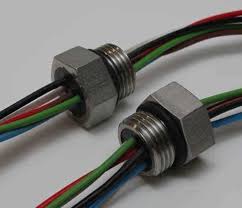
Hermetic feedthroughs are essential components that allow electrical or optical signals to pass through sealed environments without compromising airtight or vacuum integrity. However, like any precision device, feedthroughs are susceptible to failure due to environmental, mechanical, or material stresses. Understanding the common failure modes and implementing prevention techniques ensures reliable operation in aerospace, medical, industrial, and research applications.
Hermetic feedthrough is critical components that allow electrical or optical signals to pass through sealed environments while maintaining airtight or vacuum integrity. Despite their robust design, they are susceptible to failures caused by mechanical, thermal, electrical, or environmental stresses, which can compromise performance in aerospace, medical, industrial, and research applications.
One common failure mode is seal failure. Seals can degrade due to thermal expansion mismatch between metals, glass, and ceramics, excessive mechanical stress, or exposure to corrosive environments. To prevent seal failure, engineers carefully select materials with compatible thermal expansion coefficients, incorporate stress-relief features into designs, and use corrosion-resistant metals and low-outgassing insulators.
Electrical insulation breakdown is another frequent cause of feedthrough failure. Insulating materials between conductors and housing can deteriorate under high-voltage stress, thermal cycling, or moisture ingress, leading to short circuits or signal leakage. Prevention involves using high-quality glass or ceramic insulators rated for the operating conditions, ensuring complete hermetic sealing, and performing rigorous electrical testing during manufacturing.
Mechanical damage is also a concern. Vibrations, shock, or improper handling can cause cracked insulators, misaligned pins, or compromised seals. Reinforcing housings, using stress-relief or flexible designs, and following careful installation procedures can mitigate the risk of mechanical damage.
Thermal stress and fatigue may lead to cracks in the feedthrough materials over time. Extreme high or low temperatures can cause brittleness or uneven expansion, compromising the hermetic seal. Prevention techniques include selecting materials with matched thermal expansion properties, using high-strength ceramics and metals suitable for thermal cycling, and validating designs through thermal cycling tests.
Contamination and corrosion from moisture, gases, or chemicals can also cause feedthrough failure. Using low-outgassing materials, ensuring proper sealing during assembly, and applying protective coatings in chemically harsh environments help prevent contamination and corrosion-related issues.
Testing and quality assurance play a crucial role in preventing failures. Helium leak testing, electrical tests for insulation and continuity, thermal cycling, vibration tests, and visual inspections ensure that hermetic feedthroughs maintain their integrity and reliability under extreme conditions.
By understanding common failure modes and implementing preventive measures, engineers can ensure that hermetic feedthroughs continue to provide reliable electrical or optical connections in critical applications, safeguarding equipment and maintaining long-term performance.
Conclusion
Hermetic feedthrough failures can occur due to seal degradation, electrical insulation breakdown, mechanical stress, thermal fatigue, or contamination. Prevention relies on careful material selection, robust design, stress management, and rigorous testing. By understanding failure modes and implementing these techniques, engineers can ensure long-term reliability and performance of hermetic feedthroughs in critical aerospace, medical, industrial, and research applications.