









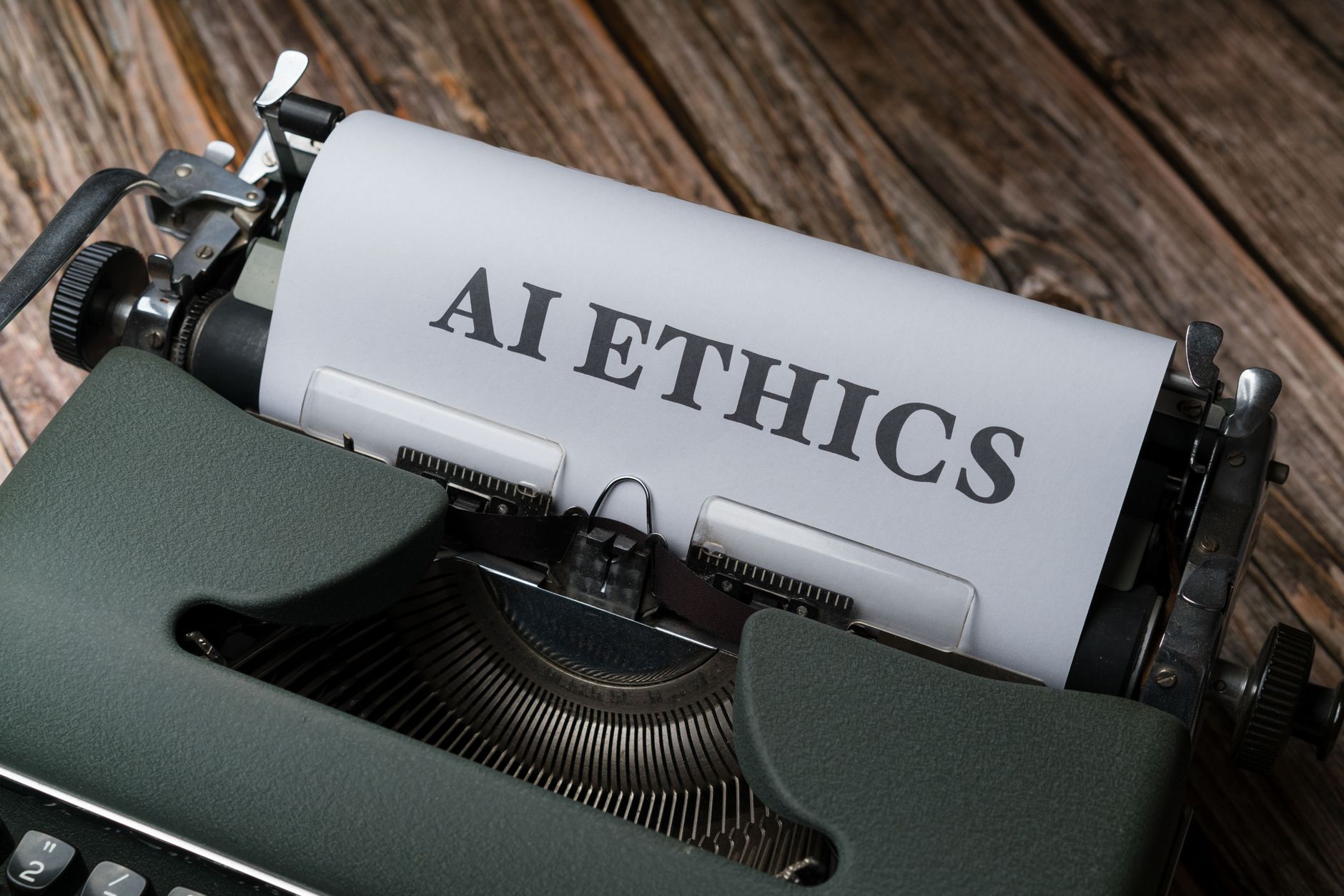
AI regulation copyright is crucial in today’s digital landscape. Yusril Ihza Mahendra emphasizes the need for balance in regulating artificial intelligence without compromising copyright protections.
Understanding AI Regulation
In the rapidly evolving landscape of artificial intelligence, the need for effective AI regulation has become increasingly critical. Experts argue that a balanced approach is essential to ensure innovation while protecting intellectual property rights. Yusril Ihza Mahendra emphasizes that copyright must still be protected even as new technologies emerge.
The challenge lies in accommodating the dual objectives of promoting technological advancement and safeguarding creators’ rights. Striking this balance requires a nuanced understanding of both AI capabilities and the implications for copyright law.
Several key considerations have emerged in the debate over AI regulation:
- Innovation vs. Protection: How can regulations stimulate innovation without stifling creativity?
- Legal Frameworks: What existing copyright laws need to be revised to address AI-generated content?
- Stakeholder Involvement: Who should be involved in the discussion of AI regulation to ensure diverse perspectives?
Ultimately, finding the right approach to AI regulation and copyright will require collaboration among policymakers, technologists, and legal experts.
The Importance of Copyright in AI
The rapid advancement of artificial intelligence (AI) technologies has raised significant concerns regarding copyright and the protection of intellectual property. As AI systems increasingly generate content, the question of who owns this content becomes paramount. The importance of copyright in AI cannot be overstated, as it plays a crucial role in ensuring that creators are fairly compensated for their work.
Copyright provides a legal framework that protects original works, allowing creators to maintain control over their intellectual property. In the context of AI, it is essential to strike a balance between fostering innovation and protecting the rights of original authors. Without clear regulations, there is a risk that AI-generated works may infringe upon existing copyrights, leading to legal disputes and a chilling effect on creativity.
To navigate this complex landscape, stakeholders must consider the implications of AI regulation on copyright laws. A balanced approach will ensure that both technological advancement and the rights of creators are safeguarded in an evolving digital environment.
Yusril Ihza Mahendra’s Perspective
Yusril Ihza Mahendra, a prominent legal expert, emphasizes the need for a balanced approach to AI regulation, especially regarding copyright issues. He argues that while technological advancements in artificial intelligence are undeniable, there is a critical necessity to protect the rights of creators and innovators. According to Mahendra, the evolving landscape of AI brings forth complex challenges that must be addressed through thoughtful legislation.
In his recent statements, he highlighted several key points:
- The importance of copyright: Mahendra believes that copyright laws are essential in ensuring that creators receive recognition and compensation for their work, even as AI becomes more prevalent in content generation.
- Need for clarity: He calls for clearer guidelines that distinguish between human-created and AI-generated content to avoid potential legal disputes.
- Collaboration is key: Mahendra advocates for collaboration between technologists and legal experts to create effective AI regulation that respects copyright while fostering innovation.
Ultimately, Mahendra’s perspective underscores the complex interplay between AI regulation and copyright protection, urging stakeholders to find an equitable solution.
Balancing Innovation and Protection
As the landscape of artificial intelligence continues to evolve, striking a balance between fostering innovation and ensuring protection becomes increasingly critical. Many experts, including Yusril Ihza Mahendra, emphasize the need for a measured approach to AI regulation copyright. This balance is essential to encourage technological advancements while safeguarding the rights of creators and innovators.
On one hand, overly stringent regulations could stifle creativity and limit the potential of AI technologies. Developers and companies may hesitate to invest in new projects if they fear legal repercussions or excessive restrictions. On the other hand, inadequate protection of copyright can lead to exploitation of original works, undermining the interests of artists and content creators.
To achieve a harmonious relationship between innovation and protection, stakeholders must engage in comprehensive dialogue. This includes:
- Understanding the nuances of AI-generated content
- Establishing fair usage guidelines
- Promoting transparency in AI development
Such measures can help navigate the complexities of AI regulation copyright effectively.
Challenges in AI Regulation
The landscape of AI regulation poses several challenges, particularly when it comes to copyright protection. As AI technologies advance, the line between human creativity and machine-generated content becomes increasingly blurred. This creates uncertainties regarding ownership and the rights of creators.
One of the primary challenges is defining authorship in a world where AI can produce works autonomously. This raises questions about who holds the copyright: the developer of the AI, the user, or the AI itself? Such ambiguities can lead to legal disputes and hinder innovation.
Additionally, there is a risk that overly stringent regulations could stifle creativity and limit the potential benefits of AI. Striking the right balance between protecting copyright and promoting innovation is crucial.
Experts like Yusril Ihza Mahendra advocate for a nuanced approach to AI regulation, emphasizing that while the rights of creators must be safeguarded, it is equally important to foster an environment where AI technologies can thrive without excessive constraints.
Global Trends in AI Legislation
As nations grapple with the rapid development of artificial intelligence, global trends in AI legislation are emerging, reflecting diverse approaches to regulation and copyright. Countries like the United States and the European Union are leading the charge, each taking distinct paths to address the complexities of AI technologies.
The European Union has proposed comprehensive regulations aimed at ensuring transparency and accountability in AI systems. This includes specific provisions to protect copyright, emphasizing the need for creators to retain their rights in an increasingly automated landscape.
Meanwhile, the United States has adopted a more fragmented approach, with various states implementing their own regulations. This has led to calls for a cohesive national strategy that balances innovation with the protection of intellectual property rights, particularly in AI-generated content.
Countries in Asia, such as China and Japan, are also developing their frameworks, focusing on fostering innovation while considering the implications of AI regulation on existing copyright laws. As these trends evolve, the challenge remains to find a suitable balance that promotes growth while safeguarding creators’ rights.
Future of Copyright in the AI Era
The rapid advancement of artificial intelligence (AI) technologies raises critical questions about the future of copyright in the AI era. As AI systems increasingly generate content, the traditional frameworks of copyright law face significant challenges. Stakeholders are calling for a re-evaluation of existing regulations to ensure that they adequately address the complexities introduced by AI.
In this evolving landscape, it is essential to find a balance that fosters innovation while protecting the rights of creators. The concept of AI regulation copyright becomes pivotal, as it aims to safeguard the interests of both artists and AI developers.
Experts emphasize the need for updated legislation that considers the unique characteristics of AI-generated works.
- Ensuring fair compensation for human creators.
- Establishing clear guidelines for ownership of AI-generated content.
- Encouraging collaboration between technologists and legal professionals.
Ultimately, a balanced approach to AI regulation copyright will be crucial for fostering a creative environment that benefits all parties involved.
Best Practices for AI Compliance
As the debate surrounding AI regulation and copyright continues, it is essential to establish best practices that ensure compliance while fostering innovation. Key strategies include:
- Clear Guidelines: Develop transparent guidelines that define the boundaries of AI use concerning copyright. This clarity will help organizations navigate the complexities of intellectual property.
- Stakeholder Engagement: Involve various stakeholders, including technology developers, legal experts, and content creators, in the regulatory process. Their insights can lead to more effective and balanced regulations.
- Regular Review: Implement a system for periodic review of regulations to adapt to the rapidly evolving AI landscape. This flexibility will help maintain relevance and effectiveness.
- Education and Training: Provide resources and training for businesses to understand their obligations under AI regulation copyright. This will promote compliance and reduce the risk of infringement.
- Collaboration: Encourage collaboration among governments, industries, and academia to share best practices and develop robust frameworks for AI regulation.
These best practices can help strike a balance between fostering innovation and protecting copyright in the age of AI.
As the debate over AI regulation copyright continues to evolve, stakeholders are increasingly seeking a framework that protects creators while fostering innovation. Striking the right balance in AI regulation copyright will be crucial for ensuring that both technological advancement and intellectual property rights are respected.
Photo by Markus Winkler on Pexels