









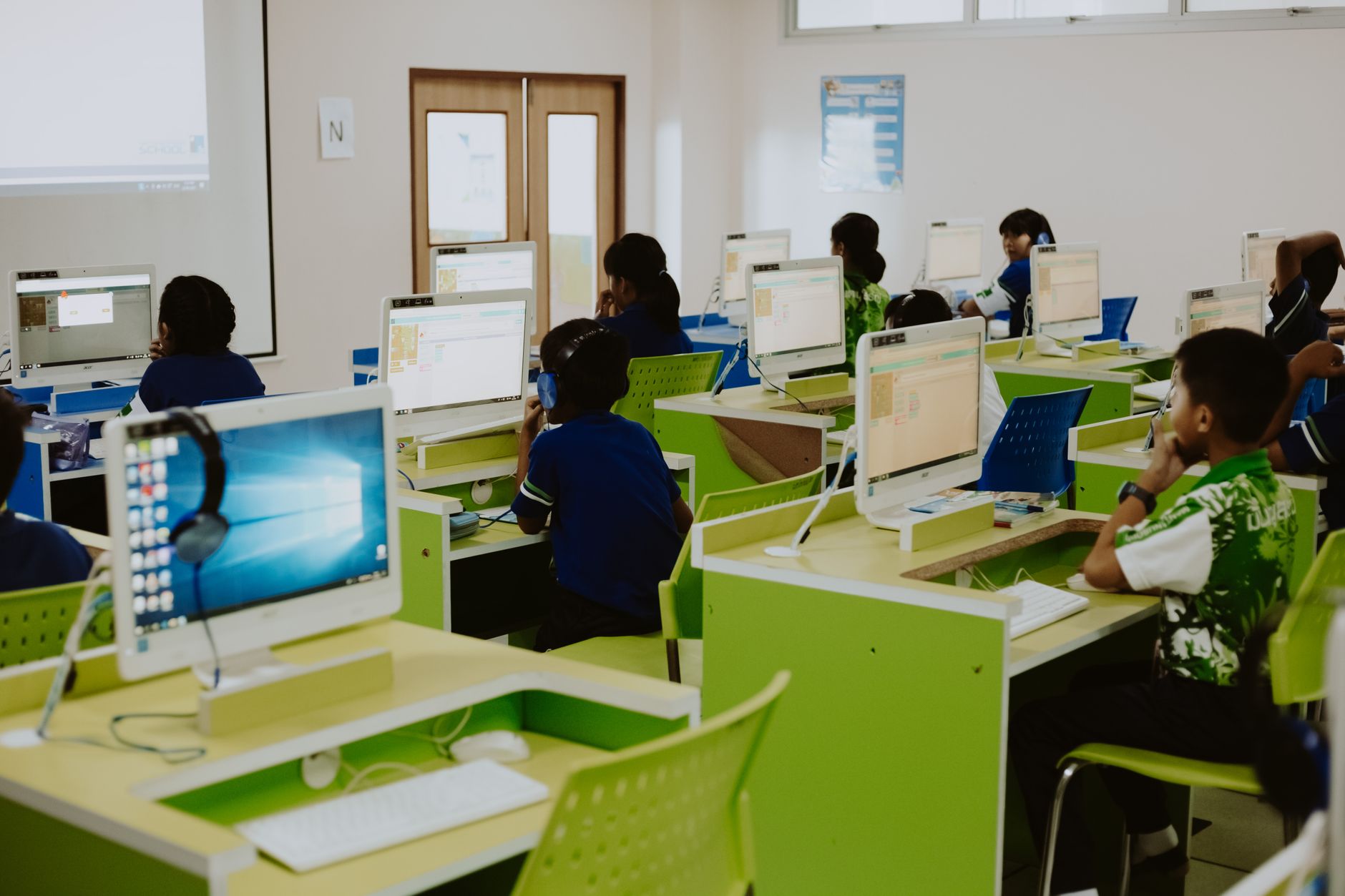
digital classrooms for special children are now a reality in Sindh with the launch of 49 new classrooms and 20 satellite schools. This initiative aims to provide quality education tailored to the needs of special children.
Overview of Sindh’s Digital Classrooms
The recent launch of 49 digital classrooms and 20 satellite schools in Sindh marks a significant step forward in the educational landscape for special children. These initiatives aim to provide tailored learning experiences that cater to the unique needs of students with disabilities.
The digital classrooms for special children are equipped with advanced technology that enhances interactive learning. This approach fosters an engaging environment where students can thrive academically and socially. The integration of digital tools not only supports diverse learning styles but also encourages communication and collaboration among peers.
Key features of these digital classrooms include:
- Adaptive Learning Software: Programs that adjust to individual learning paces and styles.
- Assistive Technology: Devices and applications designed to aid students with specific disabilities.
- Trained Educators: Instructors who specialize in the needs of special children, ensuring effective teaching methods.
With these advancements, Sindh is setting a precedent for inclusive education, demonstrating the potential of digital classrooms for special children to transform lives and enhance learning outcomes.
Impact on Special Education
The introduction of digital classrooms for special children in Sindh marks a significant advancement in the field of special education. These innovative learning environments are designed to cater to the unique needs of children with disabilities, providing tailored educational experiences that traditional classrooms often lack.
Research indicates several positive impacts of digital classrooms on special education:
- Enhanced Engagement: Interactive tools and multimedia resources help to capture the attention of students, making learning more enjoyable.
- Personalized Learning: Digital platforms allow educators to customize lessons based on individual learning styles and paces, which is crucial for children with diverse needs.
- Improved Accessibility: Digital classrooms can offer resources that are more accessible for students with various disabilities, ensuring they can participate fully in lessons.
- Increased Collaboration: These classrooms foster collaboration among students, teachers, and parents, creating a supportive learning community that enhances educational outcomes.
As these digital classrooms for special children continue to evolve, they hold the potential to transform the educational landscape, ensuring that every child receives the quality education they deserve.
Technology in Education
The integration of technology in education has transformed traditional learning environments, particularly for special children. Digital classrooms for special children provide tailored educational experiences that cater to diverse learning needs.
One of the key benefits of these digital platforms is their ability to offer personalized learning. Adaptive learning technologies can adjust the curriculum based on individual progress, ensuring that each child receives the support they need. This is especially crucial for students with learning disabilities, who may require additional resources to grasp complex concepts.
Moreover, the use of multimedia resources, such as interactive videos and educational games, can enhance engagement and retention. These tools make learning more enjoyable and accessible, encouraging children to participate actively in their education.
Furthermore, digital classrooms enable collaboration among students and teachers, fostering a sense of community. Virtual platforms allow for real-time communication and feedback, which can be vital for students who might struggle with face-to-face interactions.
As more initiatives, like the launch of Sindh’s digital classrooms, emerge, the focus on innovative methods will continue to reshape the educational landscape for special children.
Challenges Faced by Special Schools
Despite the promising advancements in digital classrooms for special children, numerous challenges persist in effectively implementing these initiatives in special schools.
- Lack of Training: Educators often face difficulties in utilizing technology effectively, as many are not adequately trained to handle digital tools tailored for special needs.
- Resource Limitations: Many special schools struggle with insufficient resources, making it challenging to maintain and upgrade technological infrastructure.
- Diverse Learning Needs: Special children have varied learning requirements that can complicate the integration of a one-size-fits-all digital approach.
- Parental Involvement: The success of digital classrooms heavily relies on active participation from parents, which is often lacking due to various socio-economic factors.
- Technological Barriers: Some regions face connectivity issues, limiting access to digital resources and hindering the effectiveness of online learning platforms.
Addressing these challenges is crucial for maximizing the benefits of digital classrooms and ensuring that special children receive the education they deserve.
Future of Digital Classrooms in Sindh
The future of digital classrooms for special children in Sindh appears promising, as recent initiatives aim to enhance educational accessibility and effectiveness. With the launch of 49 digital classrooms and 20 satellite schools, the region is taking significant steps toward integrating technology into special education.
These digital classrooms are designed to cater to diverse learning needs, providing resources that are tailored for special children. The incorporation of multimedia tools, interactive software, and adaptive learning platforms can create a more engaging and inclusive learning environment.
As the government continues to invest in infrastructure and training for educators, the potential for improved outcomes grows. Key objectives for the future include:
- Enhanced training for teachers to effectively utilize digital tools.
- Development of content that is inclusive and representative of special children’s needs.
- Collaboration with tech companies to ensure the latest innovations are integrated.
- Increased awareness among parents and communities about the benefits of digital education.
Ultimately, these steps could revolutionize the landscape of special education in Sindh, making learning more accessible and effective for all students.
Community Response to the Initiative
The initiative to establish digital classrooms for special children in Sindh has garnered a mixed but largely positive response from the community. Parents, educators, and advocacy groups have expressed their opinions on the effectiveness and accessibility of these digital learning environments.
Many parents have reported improved engagement from their children, citing the interactive nature of digital classrooms as a significant factor in maintaining their interest in learning. One parent noted, “The use of technology has made it easier for my child to grasp complex concepts.” Meanwhile, educators have highlighted the potential of tailored learning experiences that digital classrooms can provide, ensuring that each child’s unique needs are met.
However, concerns remain regarding the accessibility of these resources. Some community members have pointed out the need for better training for teachers and support staff to maximize the benefits of digital tools. Others emphasize the importance of ongoing technical support to maintain the infrastructure of these classrooms.
Ultimately, the community’s response indicates a strong desire for continued investment in digital classrooms for special children, with hopes that further enhancements will lead to improved educational outcomes.
Implementing digital classrooms for special children can enhance engagement and improve learning outcomes. By utilizing tailored resources, educators can create effective digital classrooms for special children that cater to their unique needs.
Photo by Ron Lach on Pexels
Sources
Related reading
Lava Virat Curve: The Best Curved AMOLED Display Yet · Niqab Ban Italy: Giorgia Meloni’s Bold Move Explained · Samsung Galaxy S27 Pro leaks: Is This the Best Phone Yet?