
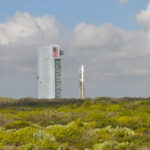

ISRO NVS-03 launch is poised to revolutionize NavIC, enhancing India’s military independence and positioning in space technology.
Overview of ISRO NVS-03 Launch
The recent ISRO NVS-03 launch marks a significant advancement for India’s navigation capabilities. As the third satellite in the Navigation with Indian Constellation (NavIC) series, NVS-03 is poised to enhance the accuracy and reliability of satellite navigation services across the region.
The launch took place on a carefully planned schedule, showcasing ISRO’s commitment to bolstering India’s technological infrastructure. With the deployment of NVS-03, the NavIC system is expected to experience remarkable improvements in positioning accuracy, which is crucial for both civilian and military applications.
Key features of the NVS-03 satellite include:
- Advanced Atomic Clock: NVS-03 is equipped with a high-precision atomic clock that will facilitate enhanced timing accuracy, which is vital for navigation.
- Increased Coverage: This satellite will extend the coverage area of NavIC, ensuring service availability in more regions, including remote areas.
- Military Independence: The launch is anticipated to boost India’s military navigation capabilities, reducing reliance on foreign systems and enhancing strategic autonomy.
Overall, the successful ISRO NVS-03 launch lays the groundwork for a more robust navigation framework, promising to benefit various sectors, including transportation, agriculture, and disaster management.
Importance of NavIC for India
The successful launch of the ISRO NVS-03 satellite marks a significant milestone for India’s navigation capabilities. NavIC, or the Navigation with Indian Constellation, is India’s regional satellite navigation system that provides accurate position information services to users in India and the surrounding region. The importance of NavIC for India cannot be overstated, as it plays a crucial role in various sectors, including transportation, agriculture, and disaster management.
One of the primary advantages of NavIC is its ability to offer reliable navigation services in areas where global systems like GPS may face challenges. This is particularly important for India’s vast and diverse geography. The enhanced accuracy and reliability of NavIC can benefit numerous applications, such as:
- Transportation: Improving logistics and traffic management, leading to reduced travel times and increased safety.
- Agriculture: Enabling precision farming techniques that optimize resource use and increase crop yields.
- Disaster Management: Enhancing the ability to respond to emergencies with accurate location data.
Moreover, the deployment of the ISRO NVS-03 satellite strengthens India’s military capabilities by allowing for greater independence in navigation, thus reducing reliance on foreign systems. This strategic advantage contributes to national security and enhances operational efficiency across various defense operations.
Military Independence and Space Technology
The recent ISRO NVS-03 launch marks a significant advancement in India’s quest for military independence through enhanced space technology. As the country continues to develop its capabilities, the integration of the Navigation with Indian Constellation (NavIC) system plays a crucial role. This indigenous navigation system is designed to provide accurate positioning services, which are vital for various military applications.
In the context of modern warfare, reliable navigation systems are essential for operational success. The NVS-03 satellite not only strengthens the NavIC constellation but also enhances its resilience against potential disruptions. This advancement ensures that Indian defense forces can operate effectively, even in challenging environments where GPS signals may be compromised.
Furthermore, the launch of NVS-03 is expected to foster greater confidence in domestic technology, allowing India to reduce its reliance on foreign navigation systems. The implications are profound: as NavIC becomes more robust, it paves the way for self-sufficiency in various sectors, including defense, logistics, and disaster management.
In summary, the ISRO NVS-03 launch is a testament to India’s commitment to advancing its space technology capabilities, ultimately contributing to military independence and strategic autonomy. This development not only bolsters national security but also positions India as a key player in the global space arena.
Future of Satellite Navigation
The recent ISRO NVS-03 launch marks a significant milestone in the evolution of satellite navigation systems, particularly for India’s own indigenous Navigation with Indian Constellation (NavIC). As the demand for accurate and reliable navigation continues to grow, the future of satellite navigation appears promising with enhanced capabilities and coverage.
One of the key aspects of the NVS-03 satellite is its ability to provide improved positioning services that are crucial for various sectors, including transportation, disaster management, and telecommunications. By offering precise location data, NavIC is set to become an integral part of India’s infrastructure, contributing to economic growth and enhancing the quality of life for its citizens.
In addition to civilian applications, the advancements in satellite navigation through the NVS-03 will significantly bolster India’s military capabilities. With enhanced accuracy and reduced dependence on foreign systems, NavIC can support a wide range of defense applications, from missile guidance to troop movements, ensuring that India maintains strategic autonomy in the field of space technology.
As advancements continue, the integration of the NVS-03 into the existing NavIC framework will pave the way for future innovations, including potential collaborations with other space agencies. This collaborative approach can lead to improved global navigation systems and help India emerge as a leader in satellite technology.
ISRO’s Role in Global Space Race
The Indian Space Research Organisation (ISRO) has emerged as a significant player in the global space race, actively contributing to advancements in satellite technology and navigation systems. The recent ISRO NVS-03 launch marks yet another milestone, reinforcing India’s position in the competitive arena of space exploration and technology development.
As nations around the world invest heavily in their space programs, ISRO has developed a unique approach that emphasizes cost-effectiveness and innovation. The NVS-03 satellite, part of the NavIC system, is designed to enhance the accuracy and reliability of satellite navigation services in the Indian region. This launch exemplifies ISRO’s commitment to not only support India’s technological needs but also to contribute to the global space landscape.
ISRO’s endeavors are increasingly recognized on an international scale, as collaborations with various countries highlight the importance of satellite technology in a multitude of sectors, including telecommunications, agriculture, and disaster management. The success of the NVS-03 satellite will likely inspire further international partnerships, fostering a spirit of cooperation in space exploration.
- Enhanced satellite navigation capabilities for India
- Cost-effective technology solutions
- International collaborations in space exploration
Through initiatives like the ISRO NVS-03 launch, India is not only solidifying its military independence but also positioning itself as a key player on the global stage in the realm of space technology.
Challenges Faced by NavIC
The journey of NavIC has not been without its challenges. Despite its strategic importance, the navigation system has faced several hurdles that have hindered its widespread adoption and operational efficiency.
- Technical Limitations: The initial launch of NavIC satellites had limitations in terms of accuracy and coverage, particularly in regions outside India. This has made it less competitive compared to global counterparts like GPS.
- Awareness and Integration: Many industries and sectors remain unaware of the benefits that NavIC offers. Integrating NavIC technology into devices and applications has been slow, affecting its utilization in various fields.
- Funding and Resources: Continuous development and maintenance of the NavIC system require substantial funding. Limited financial resources have posed challenges to its expansion and enhancement efforts.
- Geopolitical Factors: Regional tensions and geopolitical dynamics have also affected collaborations and partnerships that could enhance NavIC’s capabilities and reach.
- Technological Competition: With advancements in satellite navigation technology by other nations, NavIC faces stiff competition. Keeping up with these technological changes is crucial for its relevance and effectiveness.
However, the recent ISRO NVS-03 launch is expected to address some of these challenges by introducing enhanced satellite features and improving overall performance, thus revitalizing NavIC’s potential.
Technological Advancements in NVS-03
The ISRO NVS-03 launch marks a significant leap in the capabilities of India’s navigation satellite system. This new satellite is equipped with advanced technology that enhances the reliability and accuracy of the Navigation with Indian Constellation (NavIC) system.
Among the key technological advancements in NVS-03 are:
- Enhanced Signal Quality: The NVS-03 utilizes improved signal processing techniques, which provide more accurate positioning data even in challenging environments.
- Increased Lifespan: Designed to operate for a minimum of 12 years, the NVS-03 ensures sustained service for users across various applications.
- Multi-frequency Operations: With capabilities to operate on multiple frequency bands, the satellite can deliver precise navigation services to a wider range of devices.
- Improved Ground Control: Advanced ground control systems allow for better monitoring and management of the satellite, enhancing operational efficiency.
These technological enhancements are crucial for the ongoing development of NavIC, as they not only improve civilian navigation services but also bolster India’s military capabilities. As the ISRO NVS-03 launch unfolds, it symbolizes a robust commitment to advancing satellite navigation technology in India.
Public Reaction to the Launch
The recent ISRO NVS-03 launch has sparked significant excitement among the public and experts alike. Many citizens have taken to social media to express their admiration for the Indian Space Research Organisation’s achievements and the implications for India’s satellite navigation system.
Public sentiment surrounding the launch reflects a growing pride in domestic space capabilities. Some key reactions include:
- National Pride: Many Indians feel a sense of pride in witnessing their country making advancements in space technology. The successful launch of NVS-03 is viewed as a testament to India’s scientific prowess.
- Technological Enthusiasm: Tech enthusiasts and professionals are particularly interested in the advancements made with the NVS-03. They believe that this satellite will enhance the accuracy and reliability of the NavIC system.
- Military Support: Defense analysts have pointed out that the launch boosts military independence, enabling better navigation services for defense operations. This aspect has garnered attention and support from veterans and active personnel.
- Global Recognition: The success of the ISRO NVS-03 launch is seen as a step towards establishing India as a significant player in the global space race, opening doors for international collaborations.
Overall, the public reaction highlights a collective optimism about the future of NavIC and its potential to strengthen India’s position in satellite navigation.
The ISRO NVS-03 launch marks a significant advancement in India’s satellite navigation capabilities. With the successful deployment of the ISRO NVS-03 launch, the NavIC system is set to enhance its accuracy and reliability for users across the region.