








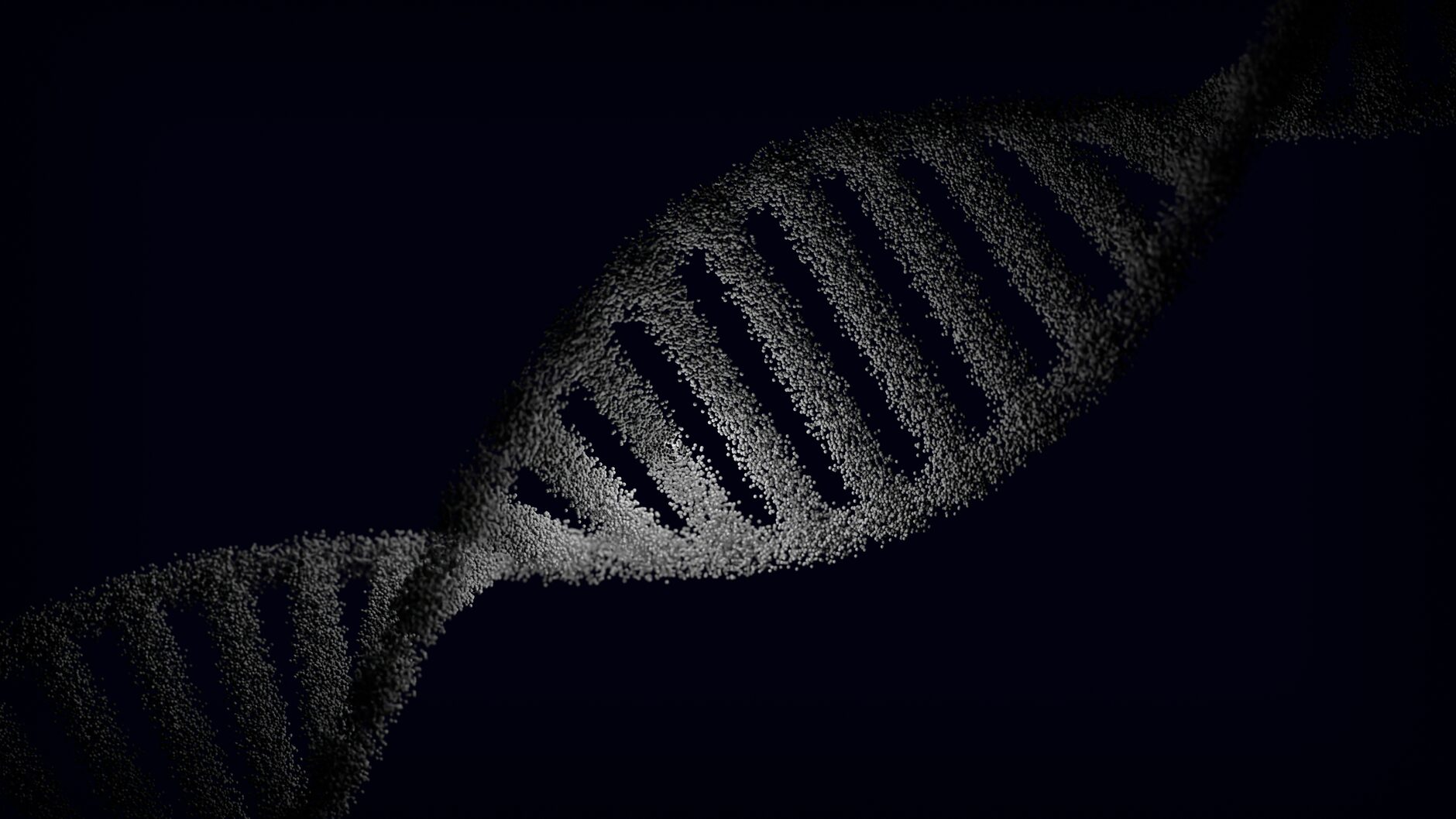
genetic code discovery has unveiled astonishing insights that challenge our understanding of life’s fundamental rules. Scientists are excited about the implications of this breakthrough.
What is the genetic code discovery?
The recent genetic code discovery has sent shockwaves through the scientific community, challenging long-held beliefs about the fundamental rules governing life. Researchers have unveiled a novel genetic code that deviates from the established principles, suggesting that life can adapt in ways previously thought impossible.
This groundbreaking finding was made by a team of scientists who were investigating the genetic makeup of certain microorganisms. They discovered that these organisms possess a unique method of encoding proteins that does not conform to the traditional genetic code, which has been considered universal.
Key aspects of this discovery include:
- Unexpected Variability: The genetic sequences revealed variations that could lead to different amino acid productions than those predicted by the conventional code.
- Implications for Evolution: These findings indicate that the genetic code may not be as fixed as once believed, opening up new avenues for understanding evolutionary processes.
- Potential Biotechnological Advances: This new understanding could pave the way for innovative applications in genetic engineering and synthetic biology.
As scientists continue to explore the implications of this genetic code discovery, it is clear that the rules of life, once thought to be rigid, may be far more flexible than imagined, prompting a re-evaluation of what we know about genetics and evolution.
Implications for genetic research
The recent findings surrounding the genetic code discovery have profound implications for genetic research and our understanding of biological processes. Traditionally, the genetic code has been viewed as a strict set of rules governing the synthesis of proteins, which are essential for life. However, this new discovery suggests that these rules can be broken, opening the door to revolutionary approaches in genetic engineering and biotechnology.
Researchers are now reevaluating the parameters of the genetic code, leading to several potential avenues for exploration:
- Redefining genetic sequences: The ability to alter or expand the genetic code may enable scientists to design proteins with novel functions, enhancing therapeutic options for diseases.
- Understanding evolutionary biology: This discovery could provide insights into how life adapts and evolves under different conditions, challenging the established norms of evolutionary theory.
- Innovations in synthetic biology: The flexibility in genetic coding could lead to the development of new organisms with tailored traits, potentially addressing global challenges such as food security and environmental sustainability.
As researchers delve deeper into these groundbreaking findings, the implications for both fundamental and applied sciences are vast, suggesting that we are just beginning to scratch the surface of understanding the complexities of life itself.
How the discovery challenges existing theories
The recent genetic code discovery has sent shockwaves through the scientific community, challenging long-held theories about the foundations of life. Traditionally, the genetic code was understood to follow a set of rigid rules that dictated how organisms translate genetic information into proteins. However, this groundbreaking discovery reveals that these rules can be broken, leading to new possibilities in understanding biology.
Scientists have observed that certain organisms utilize alternative genetic codes that defy the established norms. This revelation raises critical questions about the adaptability and evolution of life forms. The implications of these findings could prompt a reevaluation of how researchers approach genetic research and the development of new biotechnologies.
Some key challenges to existing theories include:
- Variability in Genetic Expression: The discovery suggests that genetic expression is more flexible than previously thought, allowing organisms to adapt to their environments in unexpected ways.
- Potential for New Life Forms: The breaking of traditional genetic rules may indicate pathways for the emergence of entirely new life forms, expanding our understanding of biodiversity.
- Reassessment of Evolutionary Mechanisms: This finding may lead scientists to revise their theories on how evolution operates at the molecular level, considering that the genetic code is not as fixed as believed.
As more research unfolds, the implications of this genetic code discovery will likely reshape the landscape of biological sciences.
Potential applications in biotechnology
The recent genetic code discovery has opened new avenues for potential applications in biotechnology, promising to revolutionize various fields. Researchers are exploring how this newfound understanding can be utilized in several innovative ways:
- Gene Editing: The discovery may enhance existing gene editing technologies, such as CRISPR, by providing insights into alternative coding mechanisms. This could lead to more precise modifications in genetic material.
- Biopharmaceuticals: A deeper understanding of the genetic code could facilitate the development of novel biopharmaceuticals, enabling the production of proteins that were previously difficult to synthesize.
- Synthetic Biology: The ability to manipulate the genetic code may encourage advances in synthetic biology, allowing scientists to create custom organisms tailored for specific industrial applications, from biofuels to biodegradable plastics.
- Evolutionary Studies: Researchers can further investigate evolutionary processes by applying the insights gained from this discovery, shedding light on how life adapts to various environments.
As scientists continue to explore the implications of the genetic code discovery, the potential for groundbreaking innovations in biotechnology grows. The shifting understanding of life’s fundamental rules may inspire a new generation of tools and technologies that redefine our relationship with biology.
Expert opinions on the findings
Experts in the field have expressed a mix of excitement and caution regarding the recent genetic code discovery that challenges long-standing principles of biology. Dr. Emily Thompson, a leading molecular biologist, stated, “This discovery opens up new avenues for understanding how life operates at a fundamental level.” She emphasized that the implications could extend far beyond academic curiosity, potentially revolutionizing genetic research.
Conversely, Dr. Raj Patel, a biochemist, warned that the findings might lead to misconceptions. “While this genetic code discovery is groundbreaking, we must be careful not to jump to conclusions about its applications,” he cautioned. He suggested that further studies are essential to fully understand the implications of these findings.
In addition, Dr. Lisa Chen, an evolutionary biologist, highlighted the potential for this discovery to redefine our understanding of evolutionary processes. “If the genetic code can be more flexible than we thought, it could reshape how we view the origins of life itself,” she noted.
As these expert opinions illustrate, the scientific community is abuzz with possibilities, but there remains a collective call for rigorous examination before fully integrating these insights into existing frameworks. The balance between enthusiasm and caution will be crucial in navigating the future of genetic research.
Future of genetic research
The recent genetic code discovery has opened new avenues for future research in genetics, prompting scientists to rethink established paradigms. As researchers delve deeper into the implications of this groundbreaking finding, several key areas of exploration are emerging.
- Novel Genetic Mechanisms: The discovery suggests that there may be alternative genetic mechanisms not previously considered. This could lead to the identification of new genes and pathways that govern biological processes.
- Customized Therapeutics: Understanding the nuances of the revised genetic code could pave the way for tailored therapies, improving treatment efficacy for various genetic disorders.
- Evolutionary Insights: The findings may provide clues about evolutionary processes and the adaptability of life forms, offering a fresh perspective on how organisms evolve in response to environmental changes.
- Interdisciplinary Collaboration: This discovery is likely to foster collaboration among biologists, geneticists, and bioinformaticians, merging diverse expertise to enhance research outcomes.
As the scientific community continues to explore the ramifications of this genetic code discovery, the future of genetic research looks promising. Innovations in this field could lead to breakthroughs that reshape our understanding of life itself.
Conclusion and next steps
In conclusion, the recent genetic code discovery presents a paradigm shift in our understanding of the fundamental principles that govern life. This groundbreaking finding challenges long-held beliefs about the rigidity of genetic coding and opens up new avenues for exploration in both research and practical applications. As scientists continue to unravel the complexities of this discovery, several next steps are essential to fully understand its implications.
Firstly, further studies are needed to analyze the mechanisms behind the newly identified genetic coding variants. These investigations could reveal how various organisms adapt their genetic processes and may unlock secrets to evolutionary biology. Secondly, researchers must evaluate the potential impacts this discovery may have on existing genetic therapies and biotechnological innovations.
Additionally, collaboration among scientists from diverse fields will be crucial. By pooling insights from genetics, molecular biology, and bioinformatics, researchers can develop a more comprehensive understanding of the implications of this genetic code discovery.
Lastly, funding and support for innovative research projects that aim to explore these new genetic avenues will be vital. The scientific community stands at a crossroads, and the future of genetic research promises to be both exciting and transformative, as we learn more about the rules of life that have, until now, been presumed unbreakable.
Photo by Nicola Narracci on Pexels