





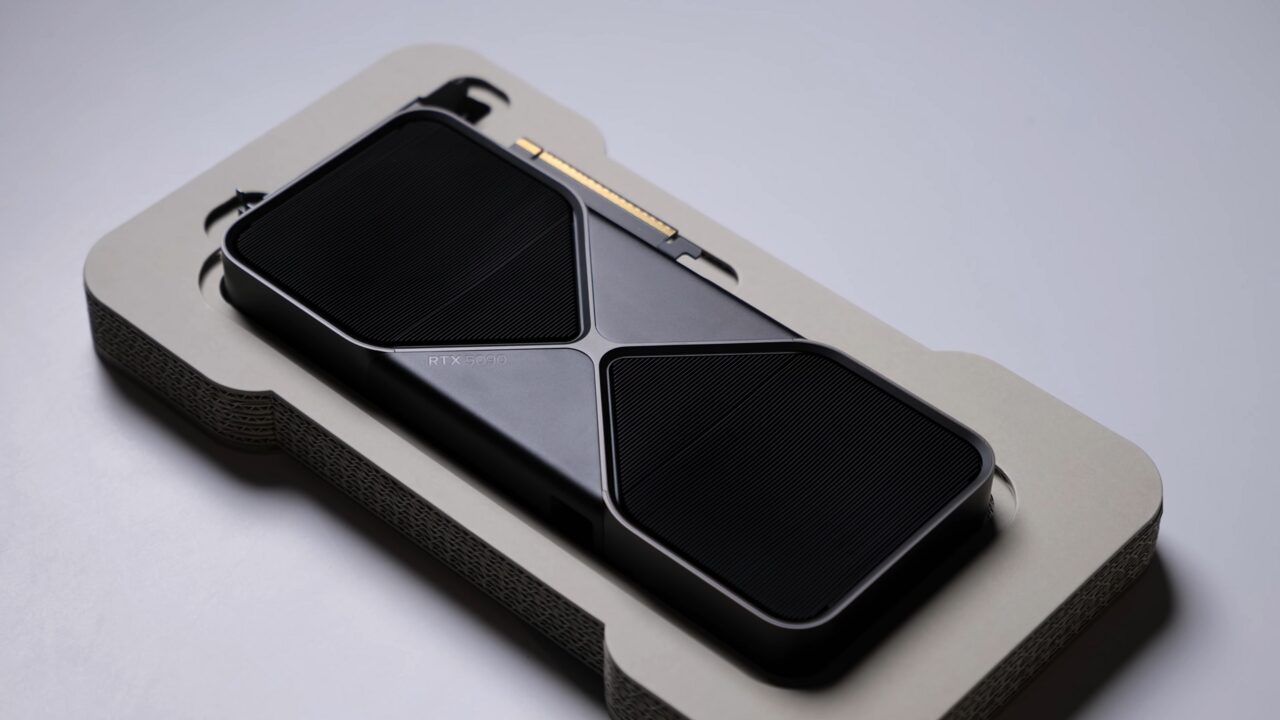
RTX 5090 price increase has created a stir among tech enthusiasts. With prices reaching an astonishing $9,500, many are left wondering about the future of GPU availability.
What Caused the RTX 5090 Price Increase?
The recent surge in the RTX 5090 price increase has left many gamers and tech enthusiasts reeling. Several factors have contributed to this dramatic rise in cost, making it one of the most expensive graphics cards on the market.
First and foremost, the global semiconductor shortage continues to impact production capabilities. This shortage has caused manufacturers to struggle with meeting the high demand for advanced gaming hardware.
Additionally, the rising costs of raw materials, including silicon and metals used in the production process, have significantly affected pricing. As manufacturers face these increased expenses, they are compelled to pass them on to consumers.
Another contributing factor is the high demand driven by gamers and content creators eager to upgrade their systems for optimal performance. With the RTX 5090’s advanced features, including enhanced ray tracing and AI capabilities, it has become a coveted item, leading to inflated market prices.
Lastly, speculation and reselling practices have exacerbated the situation, with scalpers taking advantage of the limited supply to sell the RTX 5090 at exorbitant prices. This combination of challenges has resulted in the staggering $9,500 price tag that many are encountering.
Impact on Gamers and PC Builders
The recent surge in the RTX 5090 price increase has sent shockwaves through the gaming community, leaving many gamers and PC builders reeling. With prices now exceeding $9,500, the dream of upgrading to this high-performance graphics card is becoming increasingly unattainable for many.
As a result, gamers are facing several challenges:
- Budget Constraints: Many enthusiasts may need to reconsider their budgets or postpone their upgrades, which can impact their gaming experience.
- Market Scarcity: The drastic price hike has led to a scarcity of available units, making it difficult for consumers to find the RTX 5090 at any price.
- Increased Competition: With fewer cards available, competition among buyers is fierce, often resulting in bidding wars that drive prices even higher.
- Shift in Priorities: Some gamers may opt for older models or alternative brands, which could lead to a decline in overall sales for high-end graphics cards.
The implications of the RTX 5090 price increase extend beyond immediate purchasing decisions, affecting the entire gaming ecosystem and altering the landscape of PC building for the foreseeable future.
Alternatives to the RTX 5090
With the recent RTX 5090 price increase pushing prices as high as $9,500, many gamers and PC builders are left searching for viable alternatives. The soaring cost of this flagship graphics card has made it increasingly difficult for enthusiasts to upgrade their systems without breaking the bank.
Fortunately, there are several options available that offer excellent performance without the hefty price tag. Consider the following alternatives:
- RTX 4080: While slightly older, this card remains a powerful choice for high-resolution gaming and is often available at a more reasonable price.
- AMD Radeon RX 7900 XT: Known for competitive performance in both gaming and content creation, this card provides a solid alternative for those looking to switch from NVIDIA.
- RTX 4070 Ti: This mid-range option can handle most modern games at high settings, making it a great budget-friendly choice.
- Used GPUs: Exploring the second-hand market may yield older models that still deliver impressive performance without the premium cost.
By considering these alternatives, gamers can continue to enjoy high-quality gameplay despite the challenges posed by the RTX 5090 price increase.
Future of Graphics Card Pricing
The future of graphics card pricing looks increasingly bleak in the wake of the RTX 5090 price increase, as consumers grapple with soaring costs and dwindling availability. The trend of escalating prices is not isolated to this specific model; it reflects a broader shift in the graphics card market.
Several factors contribute to this unsettling landscape:
- Supply Chain Disruptions: Ongoing supply chain issues continue to hinder production, driving up costs for manufacturers.
- High Demand: With the rise of gaming and creative industries, demand for high-performance graphics cards remains at an all-time high.
- Cryptocurrency Mining: The resurgence of cryptocurrency mining has put additional pressure on the availability of GPUs, further inflating prices.
As retailers struggle to keep up with demand, many consumers are left with little choice but to pay exorbitant prices or hold off on their upgrades. The situation raises concerns about the long-term accessibility of gaming hardware, especially for casual gamers and those on tighter budgets. Without significant changes in the market, the RTX 5090 price increase may just be the beginning of a troubling trend.
via Wikimedia Commons
Read the original
Related reading
Samsung Galaxy S26 FE launch: The Best Offers and Deals · India Act East Policy: The Smart Benefits of Vietnam · iPhone 18 Pro pre-order: Quick tips for faster access!