



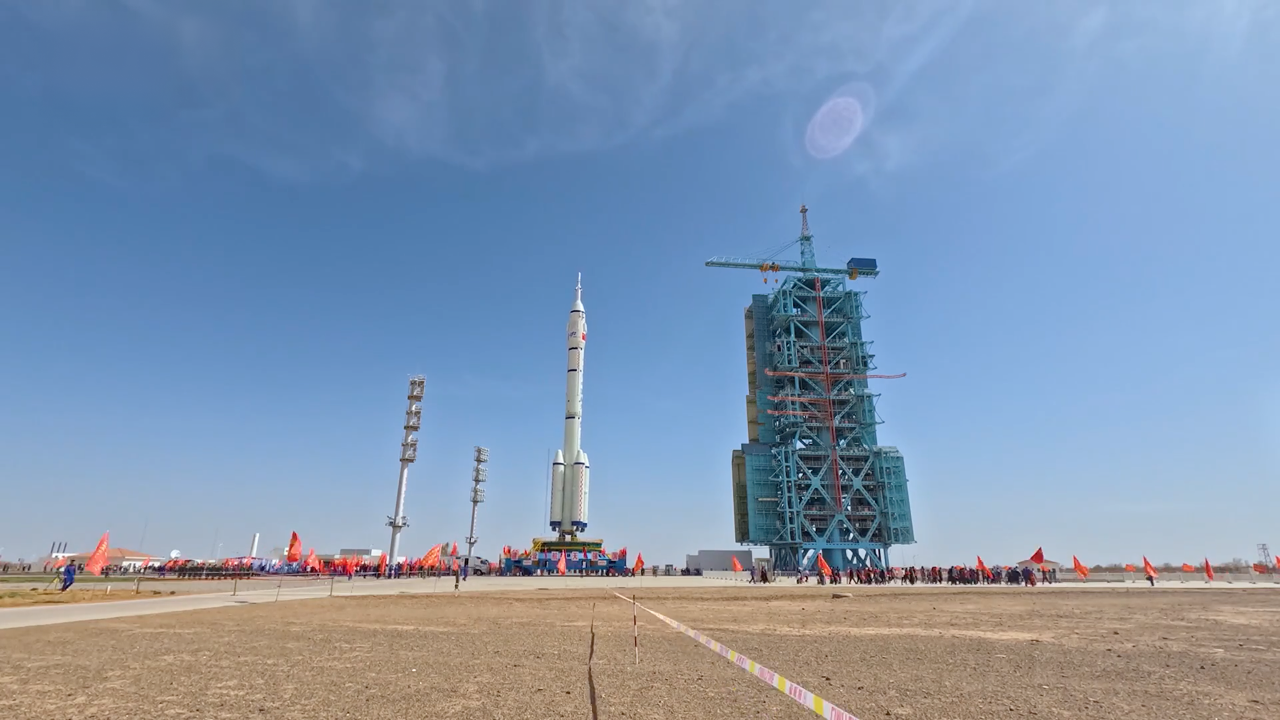
The Shenzhou-24 mission marks a significant milestone in international space cooperation. This historic launch showcases how two nations can work together in orbit.
Overview of the Shenzhou-24 mission
The Shenzhou-24 mission marks a significant milestone in international space collaboration, exemplifying the growing partnership between two nations in the pursuit of scientific discovery. Launched on a state-of-the-art rocket, the mission aims to advance our understanding of space through joint research and exploration efforts.
This mission involves:
- International Cooperation: The Shenzhou-24 mission includes astronauts from both participating countries, showcasing their ability to work together in the challenging environment of space.
- Scientific Research: The mission is designed to conduct a series of experiments that could lead to breakthroughs in various fields, including biology, materials science, and space technology.
- Technological Innovation: The spacecraft is equipped with advanced technology that enhances its capabilities and ensures safe operations during its time in orbit.
- Public Engagement: The Shenzhou-24 mission has garnered significant public interest, encouraging educational initiatives and inspiring the next generation of scientists and engineers.
As the world watches, the Shenzhou-24 mission symbolizes a new era of collaboration in space exploration. By uniting resources and expertise, the participating nations aim to achieve common goals while fostering goodwill and understanding on a global scale. This mission could very well be the best example of space collaboration to date.
Key objectives and goals
The Shenzhou-24 mission marks a significant milestone in international space collaboration, with key objectives designed to enhance our understanding of space exploration and science. The primary goals of this mission include:
- Establishing a sustainable presence in low Earth orbit: The mission aims to support the long-term operation of the Chinese space station, which serves as a platform for scientific research and international cooperation.
- Conducting advanced scientific experiments: Shenzhou-24 will facilitate a series of experiments in various fields, including biology, physics, and materials science, providing invaluable data for future missions.
- Enhancing technology exchange: By collaborating with international partners, the mission seeks to foster technology transfer and innovation in space exploration tools and methodologies.
- Promoting crew safety and efficiency: Training and preparation for astronauts are crucial components, focusing on improving safety protocols and operational efficiency in space missions.
- Strengthening diplomatic relations: The Shenzhou-24 mission serves as a platform for building stronger ties between participating nations, emphasizing the importance of peaceful collaboration in outer space.
Through these objectives, the Shenzhou-24 mission not only aims to achieve significant scientific breakthroughs but also to set a precedent for future collaborative efforts in the realm of space exploration.
Shenzhou-24 mission timeline
The Shenzhou-24 mission marks a significant milestone in international space collaboration, showcasing a well-coordinated timeline that highlights its key phases and achievements. The mission was meticulously planned to ensure successful cooperation between participating nations.
Initially, the timeline began with the announcement of the mission in early 2023, followed by rigorous training and preparation sessions for the astronauts involved. The crew selection was finalized by mid-2023, which included experts from both countries, emphasizing the collaborative spirit of the endeavor.
By late 2023, crucial hardware tests and simulations were conducted, ensuring all systems were operational and ready for the challenges ahead. The launch window was set for early 2024, with a series of public briefings to keep global audiences informed about the mission’s progress.
As the launch date approached, preparations intensified, culminating in the successful launch on February 15, 2024. The spacecraft entered orbit, and the crew began their scientific experiments and collaborative projects focused on advancements in space technology and research.
Throughout the mission, regular updates were provided, showcasing the collaborative efforts and accomplishments of the crew. The expected return is scheduled for mid-April 2024, marking the culmination of a historic partnership in space exploration.
Technological advancements in space travel
The Shenzhou-24 mission represents a significant leap in the realm of technological advancements in space travel. As two nations collaborate, the mission showcases the culmination of years of research and innovation aimed at enhancing human capabilities in outer space.
One of the standout features of the Shenzhou-24 mission is its advanced life-support systems. These systems are designed to ensure the safety and health of astronauts during extended missions. Key improvements include:
- Recycling technology: Enhanced systems for air and water purification allow for longer missions without resupply.
- Radiation shielding: New materials and structural designs help protect astronauts from harmful cosmic radiation.
- Modular habitats: The mission utilizes expandable and reconfigurable living spaces to accommodate various mission needs.
Moreover, the Shenzhou-24 mission incorporates cutting-edge propulsion technologies aimed at optimizing fuel efficiency. This innovation not only reduces costs but also extends the range of potential missions in deep space.
Additionally, communication systems have seen substantial upgrades, enabling real-time data sharing between nations. This fosters a collaborative environment that enhances research capabilities and accelerates the pace of discovery.
In conclusion, the technological advancements highlighted in the Shenzhou-24 mission exemplify a new era of international cooperation in space exploration, paving the way for future endeavors.
Impact of international collaboration in space
The impact of international collaboration in space has been profound, with various missions showcasing the potential for joint efforts to push the boundaries of exploration. The Shenzhou-24 mission stands as a testament to the power of partnership between nations, aiming to enhance scientific knowledge and technological innovation.
Collaboration in space offers numerous advantages, including:
- Resource Sharing: Countries can pool their resources, cutting costs and maximizing efficiency. This is particularly evident in the development of spacecraft and technology.
- Expertise Exchange: Different nations bring unique skills and knowledge to the table, enabling a more comprehensive approach to problem-solving and innovation.
- Global Unity: Joint missions foster a sense of global community, promoting peace and cooperation in an area often seen as a frontier for humanity.
- Scientific Advancement: Collaborative missions lead to breakthroughs in research, as multiple perspectives can lead to innovative solutions and discoveries.
Moreover, the success of missions like Shenzhou-24 can inspire future initiatives, encouraging more countries to participate in space exploration. As nations work together, the sharing of knowledge and resources can lead to advancements that benefit all of humanity, reinforcing the idea that space is a domain for collaboration rather than competition.
Future of space exploration after Shenzhou-24
The future of space exploration is poised for significant advancements, especially following the success of the Shenzhou-24 mission. As nations come together to collaborate on ambitious projects, the potential for groundbreaking discoveries and innovations increases manifold.
Several key factors will shape the future landscape of space exploration:
- Increased International Collaboration: The Shenzhou-24 mission exemplifies how cooperation between countries can lead to shared resources, knowledge, and expertise. This collaborative approach is likely to become a model for future missions.
- Technological Innovations: The ongoing development of new technologies, sparked by missions like Shenzhou-24, will continue to enhance our capabilities in space travel. Expect improvements in spacecraft design, propulsion systems, and life support technologies.
- Focus on Sustainability: Future missions will increasingly emphasize sustainable practices, ensuring that space exploration does not contribute to the growing problem of space debris and environmental concerns on Earth.
- Broadened Participation: As space agencies and private enterprises expand their reach, more countries and organizations will have the opportunity to contribute to exploration efforts, making it a truly global endeavor.
Ultimately, the Shenzhou-24 mission is a catalyst for a new era in space exploration, promising exciting possibilities and partnerships that could redefine our understanding of the universe.
By 中国新闻社 via Openverse
Sources
Related reading
iPhone 18e Camera Island: The Best Features You Need to Know · Pak-China friendship: Proven alliance through Shenzhou-24 mission · HMD Rise India: Is It the Best Affordable Phone?