









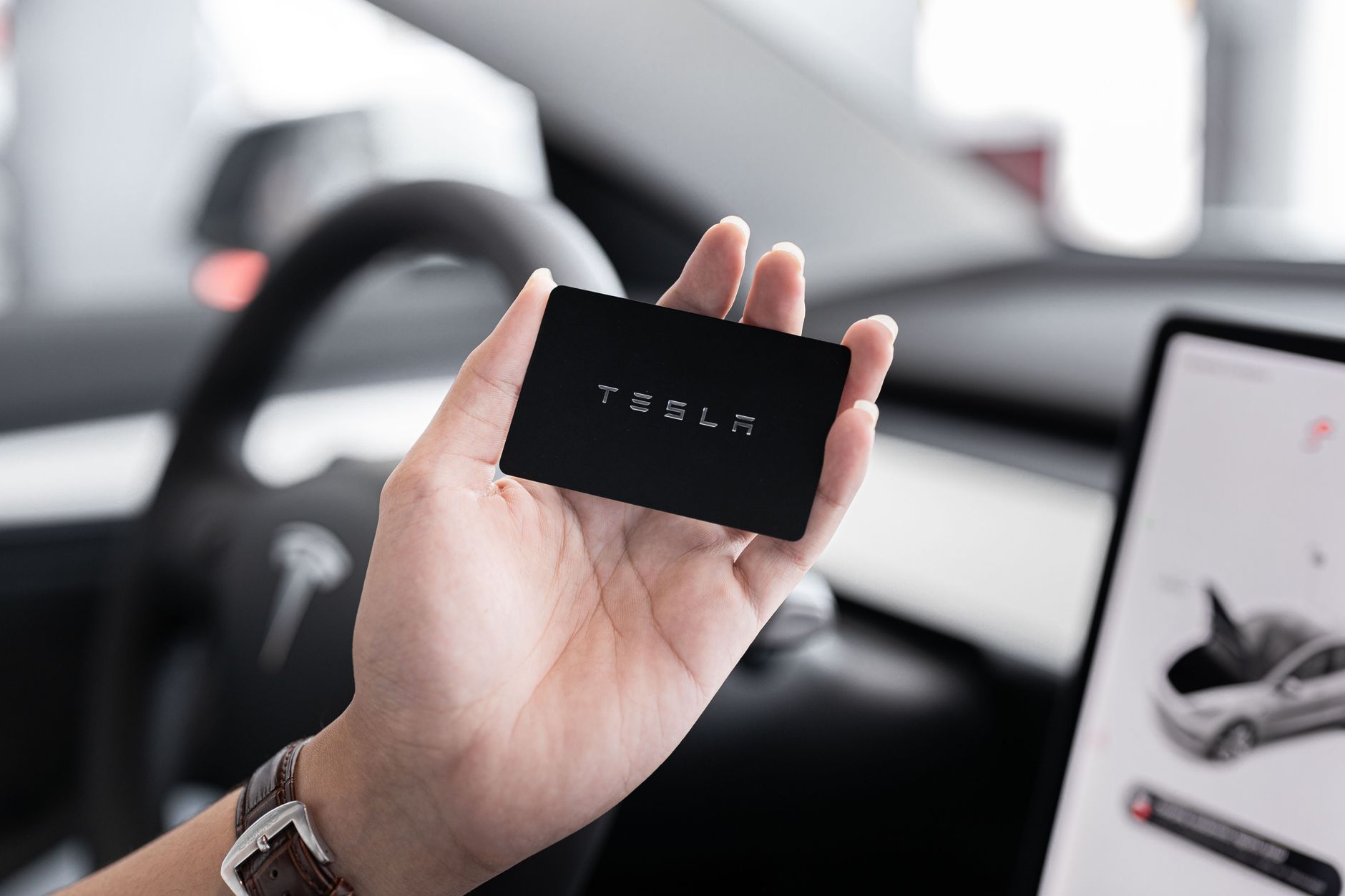
Tesla security protocols have recently gained attention after preventing the DHS from installing a tracking device. This incident highlights the effectiveness of Tesla’s measures in protecting user privacy.
What Happened with the DHS and Tesla?
Recent events have brought Tesla’s security protocols into the spotlight after reports surfaced about the Department of Homeland Security (DHS) attempting to install a tracking device on one of the company’s vehicles. According to sources, Tesla’s robust security measures effectively thwarted these efforts, raising questions about the efficacy of such protocols in protecting vehicles from unauthorized tracking.
The incident has sparked a debate regarding the balance between security and privacy, especially in a world where surveillance technology is becoming increasingly sophisticated. Industry experts are now analyzing the implications of Tesla’s security protocols, highlighting key points:
- Proactive Defense: Tesla’s systems are designed to detect and prevent unauthorized access.
- Transparency: The company is committed to informing customers about potential security threats.
- Innovation: Continuous updates and improvements to security measures play a vital role.
Understanding Tesla’s Security Measures
Tesla has implemented a range of security protocols designed to protect its vehicles and the privacy of its users. These measures are aimed at preventing unauthorized access and ensuring that sensitive information remains confidential. Key components of Tesla’s security strategies include:
- Advanced encryption: Tesla vehicles utilize cutting-edge encryption techniques to secure data communications.
- Real-time monitoring: Continuous surveillance of vehicle activity helps detect any suspicious behavior or unauthorized attempts to access the system.
- Frequent software updates: Regular updates not only enhance performance but also patch potential vulnerabilities that could be exploited.
- Access controls: Stringent access controls restrict who can interact with the vehicle’s systems, minimizing the risk of tampering.
These robust security protocols play a crucial role in safeguarding both the vehicle and its owner from potential threats.
The Importance of Vehicle Security
The importance of vehicle security cannot be overstated, especially in an era where technology has made cars more connected than ever. As incidents like the recent attempt by the Department of Homeland Security (DHS) to install a tracking device on a Tesla demonstrate, robust security protocols are essential to protect both the vehicle and its owner. Tesla’s security protocols have proven effective in safeguarding against unauthorized access and potential tracking threats.
Maintaining strong security measures not only protects personal privacy but also preserves the integrity of the vehicle’s systems. A comprehensive approach to security can include:
- Encryption of communications
- Regular software updates
- Advanced user authentication methods
As technology evolves, so too must the security protocols that govern it, ensuring that drivers can feel safe and secure in their vehicles.
How Tesla Protects User Privacy
Tesla has implemented a range of robust security protocols designed to protect user privacy and safeguard vehicles from unauthorized tracking. These measures include:
- Advanced Encryption: Data transmitted between the vehicle and Tesla servers is encrypted to prevent interception.
- Regular Software Updates: Tesla frequently updates its software to address potential vulnerabilities and enhance security features.
- User Access Controls: Owners can manage who has access to their vehicles through the Tesla app, allowing them to revoke permissions as needed.
- Physical Security: Tesla vehicles are equipped with advanced alarm systems and tracking capabilities that alert users of any unauthorized access.
These security protocols not only help in preventing unauthorized tracking but also reassure users that their privacy is a top priority for Tesla.
Implications for Automotive Security
The implications of Tesla’s security protocols extend beyond individual privacy concerns, impacting the broader landscape of automotive security. As vehicles become increasingly connected, the potential for unauthorized tracking devices raises significant alarms. Tesla’s proactive approach to security demonstrates a commitment to safeguarding user information and vehicle integrity.
Key considerations include:
- Enhanced User Trust: By implementing robust security measures, Tesla fosters a sense of confidence among its customers.
- Industry Standards: Tesla’s protocols may set benchmarks for other manufacturers, pushing the entire automotive sector to prioritize security.
- Legal Implications: The ability to thwart unwarranted surveillance could lead to stricter regulations governing vehicle security.
Ultimately, Tesla’s security protocols not only protect individual users but also contribute to a safer and more secure environment for all drivers.
Expert Opinions on Tracking Devices
Experts in automotive security have weighed in on the effectiveness of Tesla’s security protocols in preventing unauthorized tracking. According to Dr. Emily Carter, a cybersecurity analyst, “Tesla’s innovative approach to vehicle security not only safeguards the physical car but also protects user data from potential intrusions.”
Many industry professionals commend the company for its commitment to user privacy and robust defense mechanisms, stating that the measures taken are among the best in the automotive sector. However, some experts caution that as technology evolves, so too do the tactics of malicious actors.
“While Tesla’s current security protocols are effective against known threats, continuous updates and advancements are essential to stay ahead,” warns cybersecurity expert Mark Thompson. The ongoing debate underscores the necessity for all manufacturers to prioritize comprehensive security strategies to combat evolving tracking technologies.
Future of Security in Electric Vehicles
The future of security in electric vehicles, particularly regarding Tesla security protocols, remains a critical area of focus as technology continues to evolve. With the increasing sophistication of tracking devices and potential threats, manufacturers must prioritize robust security measures to protect users.
Experts suggest a multi-layered approach to vehicle security, which includes:
- Advanced Encryption: Ensuring data transmitted between the vehicle and its systems is secure.
- Regular Software Updates: Addressing vulnerabilities as they arise through timely updates.
- Enhanced User Awareness: Educating owners about potential threats and best practices for safeguarding their vehicles.
As Tesla continues to innovate, its security protocols will likely set benchmarks for the industry, influencing how other manufacturers approach vehicle security in the face of emerging challenges.
Many experts believe that Tesla security protocols are among the most advanced in the automotive industry. However, the question remains whether these Tesla security protocols can effectively prevent unauthorized tracking of vehicles.
Photo by I’m Zion on Pexels